English
 Pусский
 عربي
عربي Introduction
If you run a flexible packaging production line, you know that material waste is one of the biggest drains on your profit margins. For many small to mid-sized manufacturers, extrusion coating processes generate 8-15% scrap on average, with some facilities seeing waste rates as high as 20% during short run jobs or product changeovers. For a line processing 5 tons of material per day, that adds up to 240 to 1200 tons of wasted resin and substrate every year, costing hundreds of thousands of dollars in lost material and labor.
Figuring out how to reduce material waste in extrusion coating for flexible packaging production doesn’t require a complete overhaul of your entire production line. Many of the most impactful fixes are process adjustments or targeted equipment upgrades that pay for themselves in less than 12 months. This guide breaks down practical, proven strategies to cut scrap, improve output consistency, and boost your overall production efficiency without sacrificing coating quality or performance.
Why Extrusion Coating Generates So Much Waste for Small to Mid-Sized Producers
Before diving into solutions, it’s important to understand the most common sources of waste in extrusion coating operations, especially for smaller facilities that may not have the budget for high-end, fully automated lines:
- Changeover waste: Every time you switch between substrate types, coating materials, or product sizes, you can waste 50-100 meters of material as you adjust machine parameters and test coating quality.
- Tension inconsistencies: Uneven web tension causes substrate stretching, wrinkling, or misalignment, which leads to uneven coating application and unusable finished rolls.
- Manual splicing errors: When you manually join new substrate rolls mid-run, misalignment or weak splices often cause web breaks or coating defects that require scrapping entire sections of production.
- Over-application of coating: Many operators intentionally apply 10-15% more coating than required to avoid coverage gaps, which wastes expensive resin and adds unnecessary weight to finished products.
- Print registration errors: For pre-printed substrates, even a 1mm misalignment between the coating layer and printed design can make entire rolls unsellable, especially for food or pharmaceutical packaging that requires strict branding and labeling compliance.
Most of these waste sources are avoidable with structured processes and equipment designed to minimize human error and process variability, even for high-mix, low-volume production environments.
6 Actionable Strategies to Cut Extrusion Coating Waste
Pre-Production Material and Parameter Validation
The easiest way to reduce waste is to catch issues before you start running production. Many teams skip formal pre-production testing for repeat jobs, assuming parameters from the last run will work exactly the same way, but small variations in material batches or ambient humidity can cause unexpected defects.
For every job, even repeat runs, complete these checks before starting full production:
- Verify resin and substrate material certifications to ensure they match your specification, especially for food-grade applications that require strict compliance
- Test a 10-meter sample run with your planned parameters to check coating adhesion, thickness consistency, and registration alignment before processing full rolls
- Record all successful parameters (temperature settings, line speed, coating weight, tension levels) in a digital job library so you can replicate them exactly for future runs of the same product
This simple step can reduce changeover waste by up to 60% by eliminating trial-and-error adjustments during full production runs.
Implement Continuous Tension Control Across All Production Zones
Uneven web tension is responsible for 30% of all extrusion coating defects, according to 2024 data from the Flexible Packaging Association. Tension fluctuations can happen at every stage of the line: unwinding, coating, laminating, and rewinding, and even small variations can cause wrinkling, stretching, or misalignment that renders finished product unusable.
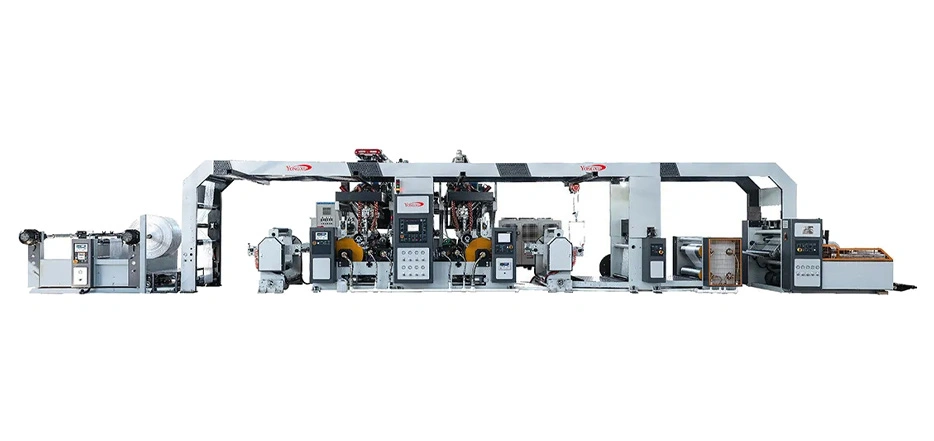
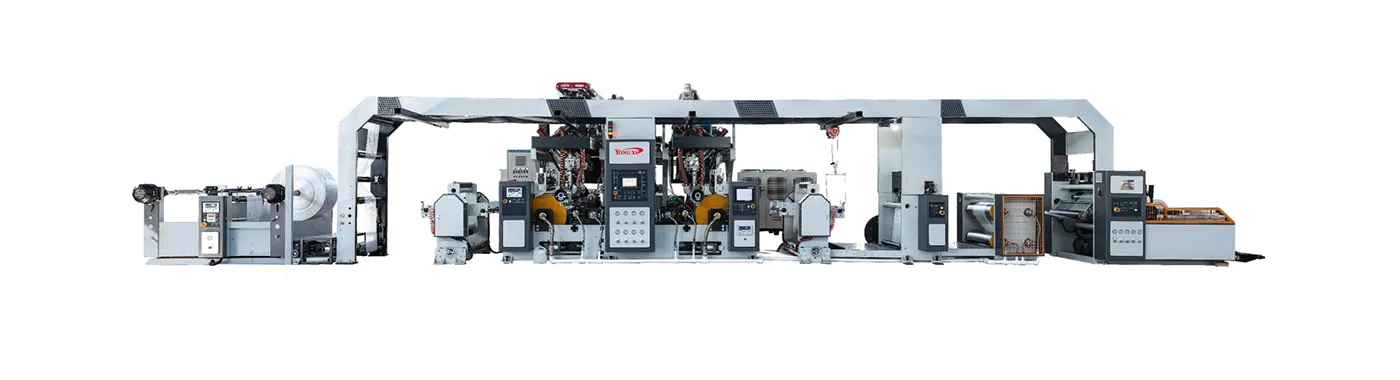
To fix this, install integrated tension control systems across all zones of your line, with automatic adjustments that respond to changes in roll diameter as material is processed. For facilities upgrading their equipment, extrusion coating lines with integrated synchronization and tension control eliminate manual tension adjustments entirely, reducing tension-related defects by up to 80% without requiring constant operator intervention.
Invest in Automatic Splicing Systems for Uninterrupted Runs
Manual roll splicing is one of the most common causes of unplanned downtime and waste. A single misaligned splice can cause a web break that requires 15-30 minutes of downtime to fix, and produces 50-200 meters of scrap material in the process. For lines running 24/7, that can add up to 20+ hours of downtime and 5 tons of scrap per month just from splicing errors.
Non-stop automatic cloth splicing systems eliminate this waste by joining new rolls to the running web at full line speed, with perfect alignment and no production stoppage. In addition to reducing scrap from splicing errors, these systems also increase overall line output by 15-20% by eliminating downtime for roll changes, making them one of the highest ROI upgrades for most extrusion coating operations.
Optimize Coating Thickness Control to Avoid Over-Application
Most operators intentionally over-apply coating to avoid coverage gaps, but this wastes large amounts of expensive LDPE and PP resin, and adds unnecessary cost to every finished roll. Modern coating control systems make it possible to maintain consistent coating weight within ±2 GSM across the full web width, so you only apply exactly as much coating as needed for your performance requirements.
To optimize your coating thickness:
- Use high-precision T-Dies with automatic gap adjustment to ensure uniform coating distribution across the entire web width
- Install real-time coating weight monitoring systems that automatically adjust die settings if coating weight drifts outside your target range
- Test coating adhesion and barrier performance regularly to ensure you aren’t using more coating than required for your specific end-use application
Even a 5% reduction in coating weight can save $50,000+ per year in resin costs for a typical mid-sized production line, with no reduction in product performance.
Use Precision Registration Control to Eliminate Print Alignment Scrap
For pre-printed substrates, even minor registration errors can make entire rolls unsellable, especially for consumer-facing packaging that requires precise alignment of branding, nutritional information, and regulatory labels. Manual registration adjustment is slow and prone to error, often requiring multiple test runs to get alignment correct during changeovers.
Precision registration control systems automatically adjust line speed and web position to ensure accurate image alignment during lamination, even for high-speed runs up to 235 m/min. This eliminates registration-related scrap almost entirely, and cuts changeover time by 70% by removing the need for manual alignment adjustments.
Schedule Predictive Maintenance to Avoid Unplanned Downtime Waste
Unplanned downtime from worn equipment parts is a hidden source of waste that many teams overlook. A worn extruder screw, dull cutting blade, or faulty temperature sensor can cause consistent coating defects that lead to hours of scrap production before the issue is identified.
Implement a predictive maintenance schedule that includes:
- Regular inspection of extruder barrels, screws, and dies for wear that could cause inconsistent coating application
- Monthly calibration of temperature sensors and coating weight monitoring systems to ensure they are providing accurate data
- Regular replacement of wear parts (rollers, cutters, bearings) before they fail and cause production issues
This simple schedule reduces unplanned downtime by up to 50%, and eliminates the scrap produced by undetected equipment failures.
How to Calculate Your Extrusion Coating Waste Reduction ROI
Before investing in new equipment or process changes, it’s easy to calculate your expected return on investment to ensure the changes make financial sense:
1. Calculate your current annual waste cost: (Total annual material processed * current waste rate) * average material cost per ton
2. Estimate your expected waste reduction: For most small to mid-sized lines, implementing the strategies above will reduce waste by 50-70%
3. Calculate your annual savings: (Current annual waste cost * expected waste reduction)
4. Compare to your investment cost: Most process adjustments and targeted equipment upgrades pay for themselves in 6-12 months from material savings alone, not including additional savings from reduced labor costs and increased output.
For example, a line processing 1,500 tons of material per year with a 12% waste rate and $1,500 per ton material cost currently loses $270,000 per year to waste. A 60% waste reduction would save $162,000 per year, which easily covers the cost of most equipment upgrades in less than a year.
Conclusion
Reducing material waste in extrusion coating processes isn’t about making large, risky investments in fully automated production lines. It’s about targeting the most common sources of waste with practical, proven changes to your processes and equipment that deliver fast ROI. By prioritizing pre-production validation, automated tension and registration control, non-stop splicing systems, and optimized coating thickness, you can cut your waste rates by 50% or more, while also improving product consistency and increasing overall line output.
If you’re looking to upgrade your extrusion coating capabilities to reduce waste and boost efficiency, explore the range of high-performance flexible packaging coating solutions from Yongxu Machine. Our team of extrusion experts can help you identify the exact upgrades or process changes that will deliver the highest ROI for your specific production requirements, whether you run a small 120 m/min line or a high-speed 235 m/min production facility.