English
 Pусский
 عربي
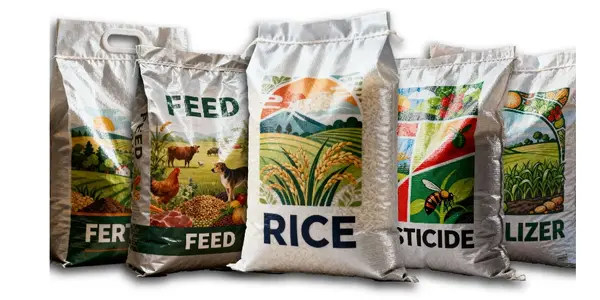
عربي What factors can affect the performance of pp woven bag? As we all know, the raw material of pp woven bag is polypropylene (PP), commonly referred to as plastic master batch. Due to the characteristics of the material, the following factors will directly affect the actual performance of pp woven bag:
I. Diversity of Climate Conditions Around the World
Due to the diversity of global climates, solar radiation intensity varies significantly from region to region. If overseas buyers do not fully understand the local climate conditions, the pp woven bag may not achieve the expected service life. For example, in North America, the solar radiation intensity in the south is nearly twice that in the north. A FIBC that can be used for 10 months in the north may last only 3 months in the south. Therefore, the uncertainty of solar radiation intensity in the end-use region may lead some overseas buyers to mistakenly believe that the UV protection of the woven bags does not meet requirements. Manufacturers may appropriately adjust the dosage of anti-UV master batch according to local sunlight conditions to increase the safety margin.
II. Raw and Auxiliary Materials Used by the Woven Bag Factory
1. Raw materials: Whether virgin pellets are used, whether excessive recycled material is added, and whether modifiers such as calcium carbonate are added. It should be noted that the addition of modifiers will significantly reduce the aging resistance of PP woven fabric.
2. Color master batch: Colorants have a significant impact on anti-aging woven bags. Factors such as whether surface-coated rutile titanium dioxide master batch is used, whether yellow pigments with good weather resistance are used, and whether the blue pigments contain free copper will all materially affect the service life of the woven bags.
3. Form and addition level of anti-UV master batch: Powder-form UV additives differ significantly in specific gravity and particle size from PP pellets, making them prone to settling during mixing and difficult to disperse evenly into the PP material. This results in inconsistent anti-aging performance of the slit films, thereby affecting the overall quality of the woven fabric. In contrast, anti-UV master batch with specific gravity and particle size similar to PP can achieve even dispersion and avoid such problems.
Conclusion
In summary, woven bag manufacturers should fully recognize the multiple factors that affect the aging of pp woven bags, comprehensively consider the end-use region, processing raw and auxiliary materials, etc., and thereby effectively avoid use disputes caused by insufficient anti-aging performance.